
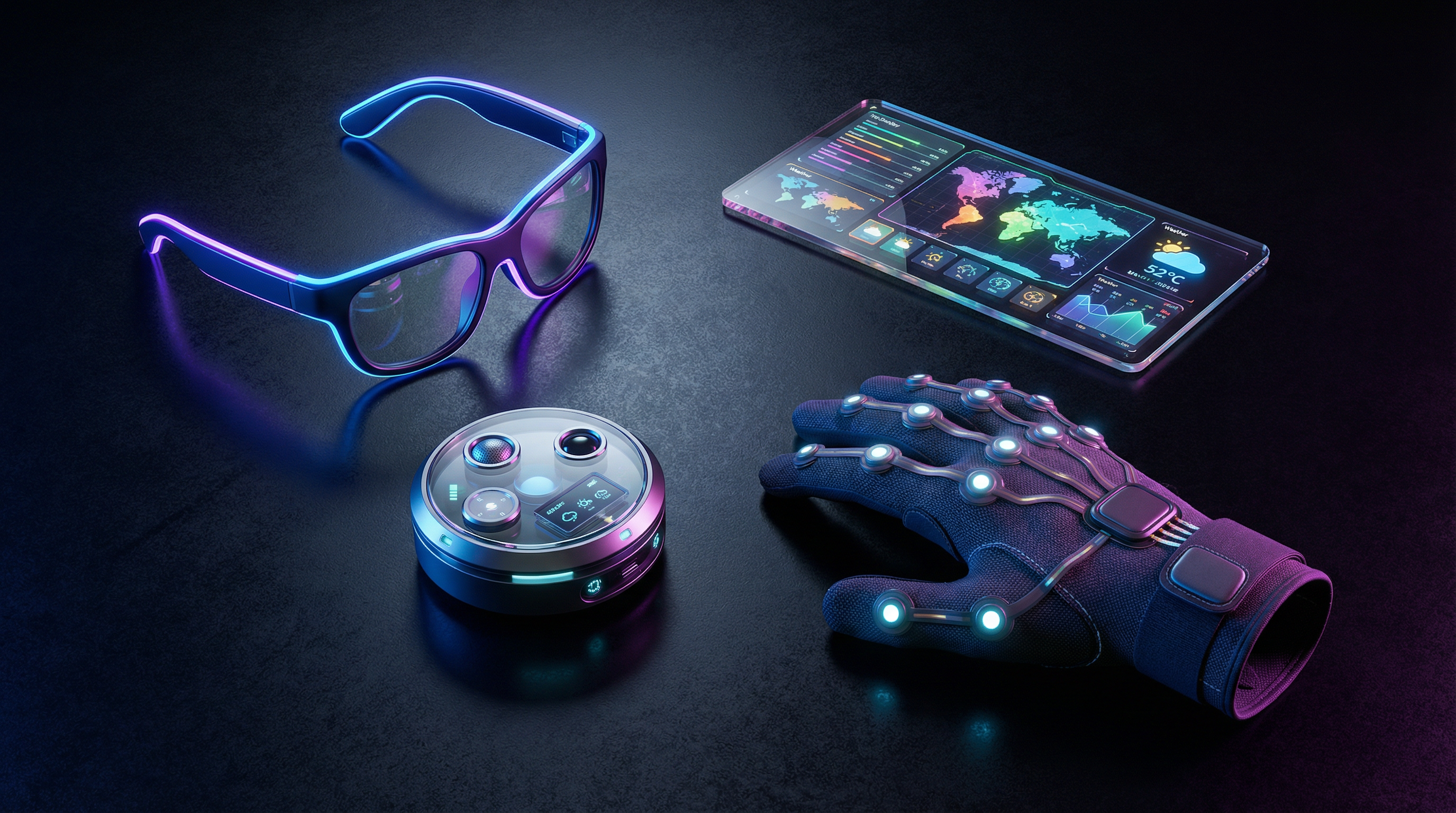
The world of consumer technology is in a constant state of evolution, with innovators and engineers working tirelessly to bring us the next big thing. As we look ahead, 2026 is shaping up to be a landmark year for groundbreaking gadgets that will redefine how we live, work, and play. From immersive entertainment systems to devices that give us greater control over our environment, the future is closer than you think.
Key Takeaway: 2026 is set to be a landmark year for consumer technology. From transparent displays to AR glasses, the gadgets on this list represent a genuine leap forward in how we interact with the world around us.
The Transparent OLED Television
Imagine a television that is completely transparent when turned off, blending seamlessly into your living space like a pane of glass. This is the promise of transparent OLED technology. When active, it delivers a vibrant, high-contrast picture that appears to float in mid-air. When off, it becomes see-through, eliminating the large black rectangle that dominates most rooms. This technology will revolutionize interior design, allowing for new and creative placements of screens without compromising aesthetics. It could be used as a window, a room divider, or even integrated into furniture.
The Personal Weather Station
While weather apps are useful, they provide regional forecasts that may not reflect the specific conditions at your home. Advanced personal weather stations will offer hyper-local, real-time data by using a suite of sophisticated sensors to measure temperature, humidity, wind speed, rainfall, and even air quality right in your own backyard. These stations will connect to a smart hub in your home, providing detailed analytics and predictive forecasts. They can integrate with your smart home system to automatically adjust your sprinklers based on rainfall or close your blinds during high winds.
Mainstream Augmented Reality Glasses
Augmented Reality (AR) has been on the horizon for years, but 2026 is poised to be the year it finally becomes a mainstream consumer product. Sleek, lightweight AR glasses will overlay digital information onto the real world, offering a new way to interact with data. Imagine seeing turn-by-turn navigation floating in your line of sight as you walk down the street, viewing product information and reviews as you browse a store, or seeing a virtual recipe guide appear next to your mixing bowl. These glasses will usher in a new era of contextual computing.
The AI-Powered Personal Nutritionist
Health and wellness technology continues to advance, and the next frontier is personalized nutrition. AI-powered devices will analyze your unique biometric data — perhaps through a small, non-invasive skin patch or a smart toilet — to provide real-time dietary recommendations. This device would know if you are deficient in certain vitamins, if your blood sugar is fluctuating, or if you are dehydrated. It would then send personalized meal and snack suggestions to your phone, helping you optimize your diet for your specific health goals. It's like having a dedicated nutritionist with you 24/7.
The Advanced Haptic Feedback Suit
Virtual Reality (VR) is already incredibly immersive, but advanced haptic suits will take it to a whole new level by allowing you to feel the virtual world. These full-body suits will be lined with hundreds of tiny actuators that can simulate a wide range of sensations, from the impact of a raindrop to the warmth of a virtual fireplace. When combined with a VR headset, a haptic suit will create a deeply convincing and multi-sensory experience. This technology will have applications far beyond gaming, including virtual training simulations, remote social interactions, and new forms of therapeutic experiences.
Bottom Line: The gadgets on this list aren't just incremental improvements — they represent entirely new ways of interacting with technology and the world around us. Keep an eye on these innovations as they move from concept to consumer reality.